
Eleuthero: A Root With Many Benefits
You may know Eleuthero by the nickname Siberian Ginseng, commonly used in the US, but Eleuthero is the ancient herbal that was first used medicinally in China over 2,000 years ago. It was used for respiratory tract infections, cold and flu, and to provide energy and vitality. Many more uses for Eleuthero have since been discovered. The botanical name is Eleutherococcus senticosus or Acanthopanax senticosus.
What Is Eleuthero?

Eleuthero is a plant native to southeast Russia, northern China, Korea, and Japan. It is a very difficult and slow-growing plant, taking at least two years just for germination, and another three years to grow before it can be harvested and used for medicine. The parts used are the root and rhizomes, both of which contain powerful substances that are used to treat health issues ranging from bronchitis to hepatitis. It is commonly used in many countries and is often used in Traditional Chinese Medicine.
The root of the eleuthero plant is dried, ground, and added to capsules to make supplements. It is considered a natural adaptogen, meaning it belongs to a special category of healing plants that help the body respond to stress, anxiety, fatigue, and provide overall well-being. Adding adaptogens to food, beverages, or taking them as a tincture can help return the body to a steady balance as it seeks to manage mental, physical, and physiological stressors. Eleuthero is also an antioxidant and anti-inflammatory.
Eleuthero is not officially ginseng and is less potent than the Asian ginsengs, like red panax; however, it is still very powerful and helpful for many health conditions.
Benefits of Eleuthero
Research
There have been many studies on the effectiveness of Eleuthero. In one study of middle-aged patients, Eleuthero showed significant improvement in memory, concentration, and mental alertness. Recent studies have shown that it protects against hypertension and hepatitis. Other research shows that it improves sociability in people over age 65, thereby improving their quality of life.
A double-blind, placebo-controlled study looked at the effects of Eleuthero on 93 men and women with recurrent genital herpes. After receiving two grams of Eleuthero a day for 6 months, the researchers concluded that Eleuthero decreased the frequency, severity, and duration of herpes outbreaks.
Researchers worldwide have conducted investigations on the wide use and effectiveness of Eleuthero for a variety of uses. Very few studies have focused on its use to fight cancer. A scientific paper published in The American Journal of Chinese Medicine outlined its anticancer effects on malignant tumors of the liver and lung, and concluded that it has the potential to be an effective anticancer drug.
Many other studies have reached similar conclusions, including that Eleuthero is effective for a variety of health conditions, ranging from mild, such as the common cold, to severe, such as kidney disease.
Physical Stamina, Energy and Mental Alertness

Athletes worldwide have used Eleuthero to increase stamina and decrease recovery time. Some suggest this powerful root also reduces the effect of fatigue during and after exercise. It improves stamina by helping the muscles make more efficient use of lipids and excess glycogen, which reduces the lactic acid buildup and increases oxygen and blood glucose. It frees up the availability of fatty acids, improves how the lipids are utilized in the body, and increases the heart’s metabolism, all of which are essential during intense exercise. This root also acts as a stimulant, increasing the muscles’ ability to work hard during intense exercise. Some athletes can increase endurance time, peak oxygen saturation, fat metabolism, and heart rate, improving their overall athletic performance. Eleuthero then protects the muscles from damage after exercise, which means faster recovery times after physical activity.
Brain Health
Eleuthero has a profound effect on enhancing learning, memory, and brain function. This is important, especially as people age and become more susceptible to neuritic plaque deposits, atrophy, and other sensory, motor, and cognitive impairments. Its seven eleutherosides contain highly complex polysaccharides. This reduces the decline in serotonin, protects neurons from corticosterone-induced cytotoxicity, and modulates the noradrenaline and dopamine neurotransmitters in the brain. The result is increased blood flow to the brain and improved mental sharpness, memory, and focus. It boosts brain power and increases mental acuity, supports recovery from emotional trauma, and improves depression.
Eleuthero’s adaptogenic effect on neurotransmitters and the nervous system allows it to tap into the key areas that modulate the stress response in the brain. This helps people avoid overreacting to stressful events and is particularly helpful for those with chronic stress. It is thought to support adrenal gland function during stress.
Adrenals and Thyroid Function
The adrenals and thyroid glands are both part of the endocrine system and work cooperatively with other glands to regulate hormones. Because the body is so well connected, when one gland is negatively affected, it affects the other one. When the adrenals become chronically stressed, it eventually results in adrenal fatigue and dysregulation of the hormones. Stress and adrenal imbalance can suppress the immune system, leading to leaky gut and autoimmune disease. The adrenals may release too much cortisol, sending a signal to the thyroid to slow down production of thyroid hormone. This affects how much T4 is converted into free T3 and reverse T3, resulting in an imbalance in metabolism. When hypothyroidism is diagnosed, most physicians automatically prescribe drugs to increase thyroid hormones and never consider the real culprit, which may be the suppressed immune system via the adrenals, throwing the entire system out of balance. Because eleuthero is an adaptogen that works exceptionally well for managing stress, it makes sense to add this herb to the plan for healing the adrenals and thyroid naturally.
Immune Support
The polysaccharides responsible for enhancing brain health and cancer effects also enhance the immune system and reduce the inflammation that causes imbalances in the immune system. The stimulatory activities of Eleuthero improve our ability to use oxygen efficiently and protect us from toxins and pathogens trying to invade the body. This herb significantly increases the number of cells that protect the immune system, like the T helper and killer cells that work to fight off invaders, enhancing our immune defenses. Eleuthero is also proven to help fight colds and flu and can shorten the length of the flu and more serious lung infections, like pneumonia. This boost to the immune system may also speed up the healing process important for wound healing.
Other benefits
· Cardiovascular issues related to the heart and blood vessels; high and low blood pressure, atherosclerosis, heart disease, high cholesterol
· Kidney disease
· Liver detox
· ADHD
· Chronic fatigue syndrome
· Peripheral neuropathy
· Reduces the effects of cold, flu, bronchitis
· Rheumatoid arthritis
· Reduces side effects of chemotherapy and helps bone marrow recover faster
· Diabetes (may prevent the formation of diabetic foot ulcers)
· Increases appetite
· Reduces symptoms of herpes
· Improves sleep
· Improves muscle and bone strength
How to Use Eleuthero
You can find eleuthero supplements in capsule, tablet, tincture, solid extract, or powder form online or at your local health food store. Eleuthero tea bags can be used to make tea by combining the dried root with hot water. Because Eleuthero is a stimulant, it should not be taken before bedtime.
Dried root is commonly taken at 2 to 3 grams per day. Solid extracts can be taken at 300 to 400 mg per day; extracts can be taken at 8 to 10 ml in two to three divided dosages per day. Eleuthero can be taken continuously for six to eight weeks, followed by a one- or two-week break before resuming.
Culinary Uses
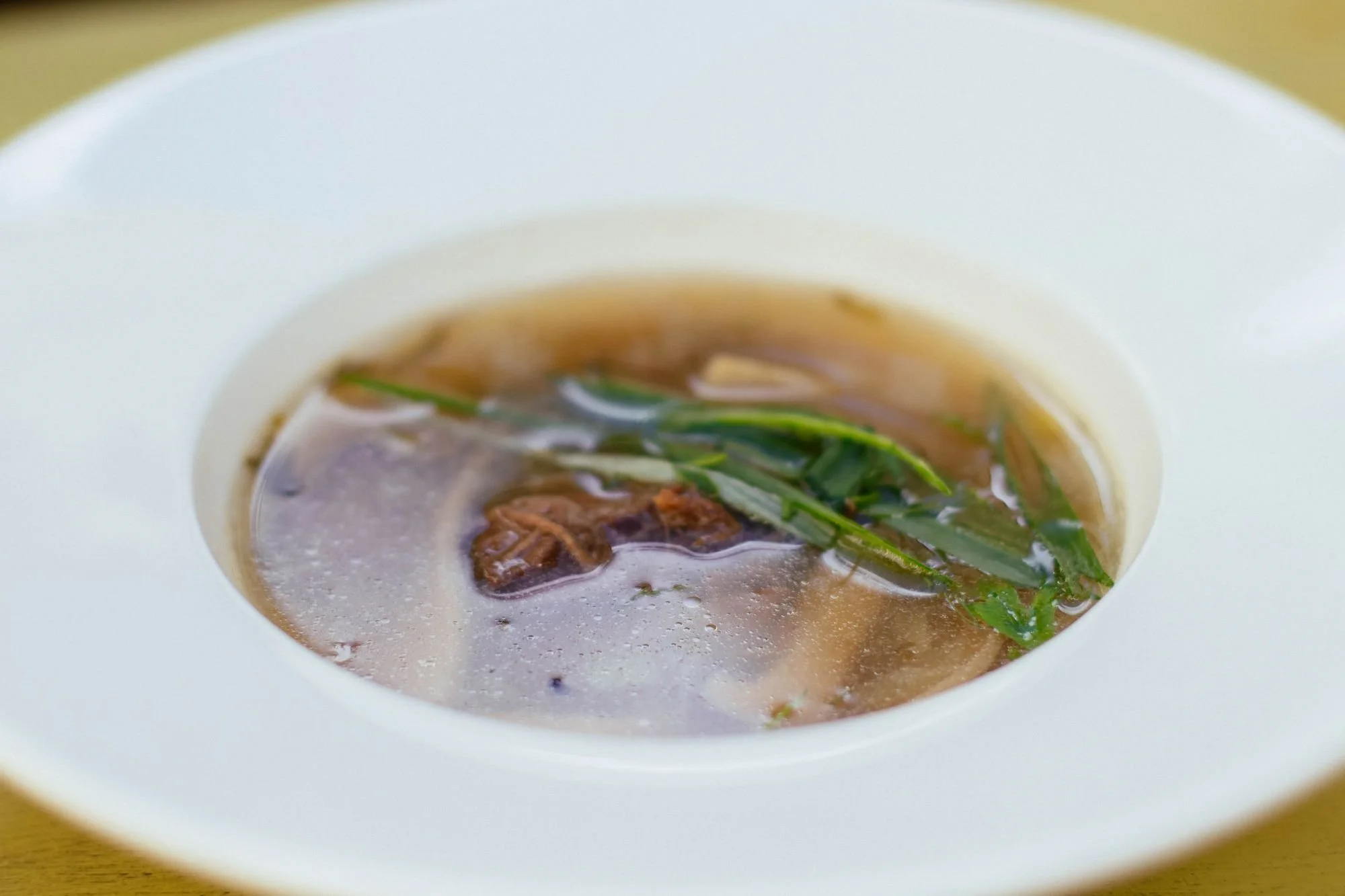
Eleuthero does not have a bad taste and can be added to food and beverages. A muslin pouch filled with eleuthero can be added to bone broths, soups, and stews. It is also often infused in wine and taken as a tonic or decocted into a tea and taken as 1 tablespoon three times a day.
Risks and Side Effects
Reported side effects for Eleuthero are minimal, with just a few cases of mild diarrhea and insomnia when taken too close to bedtime. Certain medications can interact with Eleuthero, and you should consult your health care provider before taking this root.
Medications known to have a moderate effect include lithium, digoxin (Lanoxin), sedative medications (CNS depressants), anticoagulant/antiplatelet drugs, and antidiabetic drugs. Also, lovastatin (Mevacor), ketoconazole (Nizoral), itraconazole (Sporanox), fexofenadine (Allegra), Warfarin, and triazolam (Halcion). Use caution when taking Eleuthero with barbiturates and other sedatives.
Drinking alcohol with Eleuthero may cause drowsiness. This root is not recommended for use by children or by women who are pregnant or breastfeeding. People with uncontrolled high blood pressure should not take Eleuthero.
The quality of Eleuthero products varies a lot. It often contains adulterants, or fillers, which are other ingredients that do not add to the effectiveness of the product, but simply take up space, allowing less product to be used. Silk vine is a common adulterant of Eleuthero.
LaVera J. Forbes, PhD, MS, CHN, is the founder of Dr. LaVera’s Healthy Aging, LLC. Find free healthy aging resources at drlavera.com.
© 2026 Dr. LaVera’s Healthy Aging, LLC. All rights reserved.