
Millions of people in the US suffer from digestive disorders. Too many are prescribed pharmaceutical drugs, which have side effects and only mask the symptoms. What may be more beneficial and safer are probiotics and/or digestive enzymes. There are so many supplements on the market that claim to improve gut health. It’s important to know the difference between these two important supplements if you want to improve your gut health. You should know the difference whether you are having specific gut issues or not, because both are beneficial to the digestive tract.
Both probiotics and digestive enzymes can improve digestion and support gut health, but they affect different parts of the gastrointestinal tract and impact the entire body differently.
What is the difference?
Probiotics
People often confuse these two. Put simply, probiotics are live bacteria and yeast organisms and can help you maintain balance between the good and bad bacteria in your intestinal tract. They help balance your gut microbiome and are the front-line soldiers that maintain harmony in the gut by outnumbering and keeping the bad bugs away. They keep your digestive tract healthy and treat digestive issues differently from digestive enzymes. If you need help digesting your food, probiotics are not the right supplement.
Probiotics can increase bowel movements by 1.3 times a day because they slow gut transit time. They can also soften stools, which is important for people with constipation.
Probiotics are extremely popular in the US and worldwide. The use of probiotics in the US quadrupled between 2007 and 2012. The probiotics market is expected to reach 75.9 billion by 2027. The reason for this explosive growth is the increasing number of people taking more of an interest in their own health and realizing the many benefits of dietary supplements like probiotics.
Benefits
Most people use probiotics to improve their digestion; however, the benefits go far beyond just gut health. Different strains of probiotics affect health conditions. Lactobacillus acidophilus is the most popular strain and is one of the best for overall gut health. It is very helpful in managing cholesterol and irritable bowel syndrome (IBS). It is also used to treat vaginal infections.
Probiotics of varying strains have also been used to treat specific medical conditions, such as allergies, bacterial vaginosis, urinary tract infections, respiratory infections, heart conditions, mental health and stress, skin issues, antibiotic overuse, and excessive alcohol consumption. Probiotics help support your immune system, can support weight loss and belly fat, and regulate your mood.
Recent clinical studies have shown that probiotics can improve anxiety, depression, autism, obsessive-compulsive disorder, memory, stress, and depression.
Where to find Probiotics
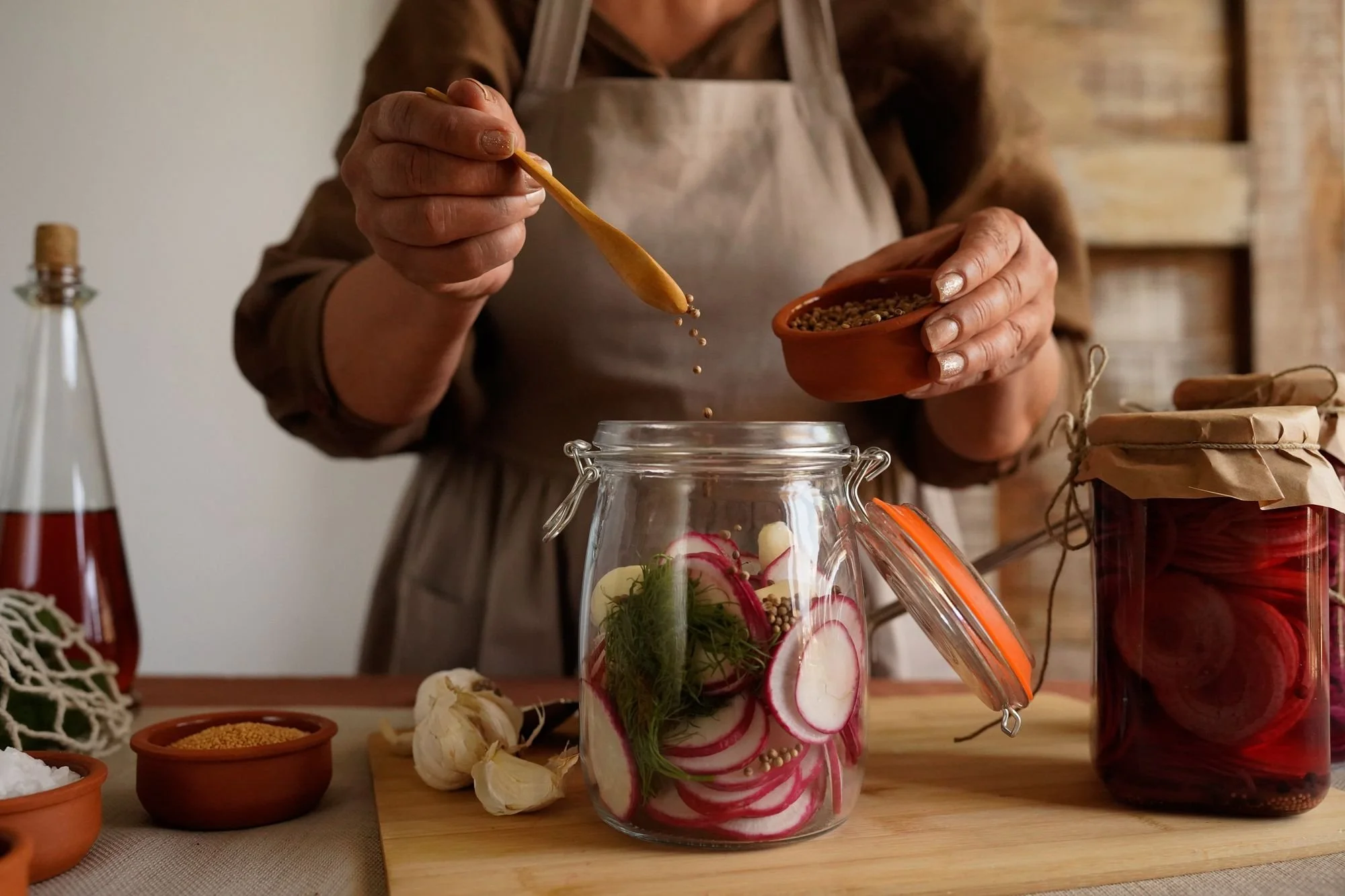
You can find live probiotic cultures in fermented foods such as yogurt and milk. They can also be found in products like pickled vegetables, miso, kefir, sauerkraut, and kimchi. While you can get probiotics from your food, it is impossible to know which strains you’re getting. When you buy them in supplement form, such as capsules, you can purchase a strain that targets a specific part of the body or medical condition, and you get a consistent dose.
Be careful when choosing probiotics. You need a good quality to make sure what you are buying does not get destroyed by your stomach acid before they even reach the intestinal tract, leaving no benefit.
How much do you need?
It depends on what you’re trying to treat, but most clinical studies show benefits using a dosage of 1 billion to 100 billion live organisms. If you want to experience any of the health benefits discussed above, it’s important that you consume adequate amounts.
Digestive Enzymes
Unlike probiotics, digestive enzymes are not living organisms. They are tiny non-living protein molecules. Enzymes are produced in different parts of the body; however, some people don’t make enough digestive enzymes, preventing their food from being digested properly. The role of these enzymes is to break down nutrients from your food into smaller particles so they can be better digested and absorbed. By breaking down molecules such as fats, proteins, and carbs into smaller molecules, they can help prevent digestive disorders like lactose intolerance and leaky gut syndrome. When working properly, the result is you absorbing more nutrients from your food, improving its ability to create energy, help the body grow, and perform its necessary functions.
Much of our food has complex compounds that are too big to pass through our system. Digestive enzymes are the perfect solution since they will break down these compounds so the body can use them effectively.
Benefits
As mentioned above, the most obvious benefit is digestive enzymes’ ability to break down nutrients into tiny particles that your body can digest and absorb. Digestive enzymes can benefit people with diabetes, gallbladder removal, chronic pancreatitis, Crohn’s disease, and autoimmune diseases since these conditions can inhibit the production of digestive enzymes. In addition to age and certain medical conditions, some medical procedures can also affect the production of digestive enzymes.
Where to find digestive enzymes
Your body produces its own digestive enzymes in your salivary glands, stomach, small intestine, and pancreas. Digestive enzymes produced by the body are reduced as we age, so supplementing them with food or dietary supplements may be a good option if you are older and not yet having digestive issues.
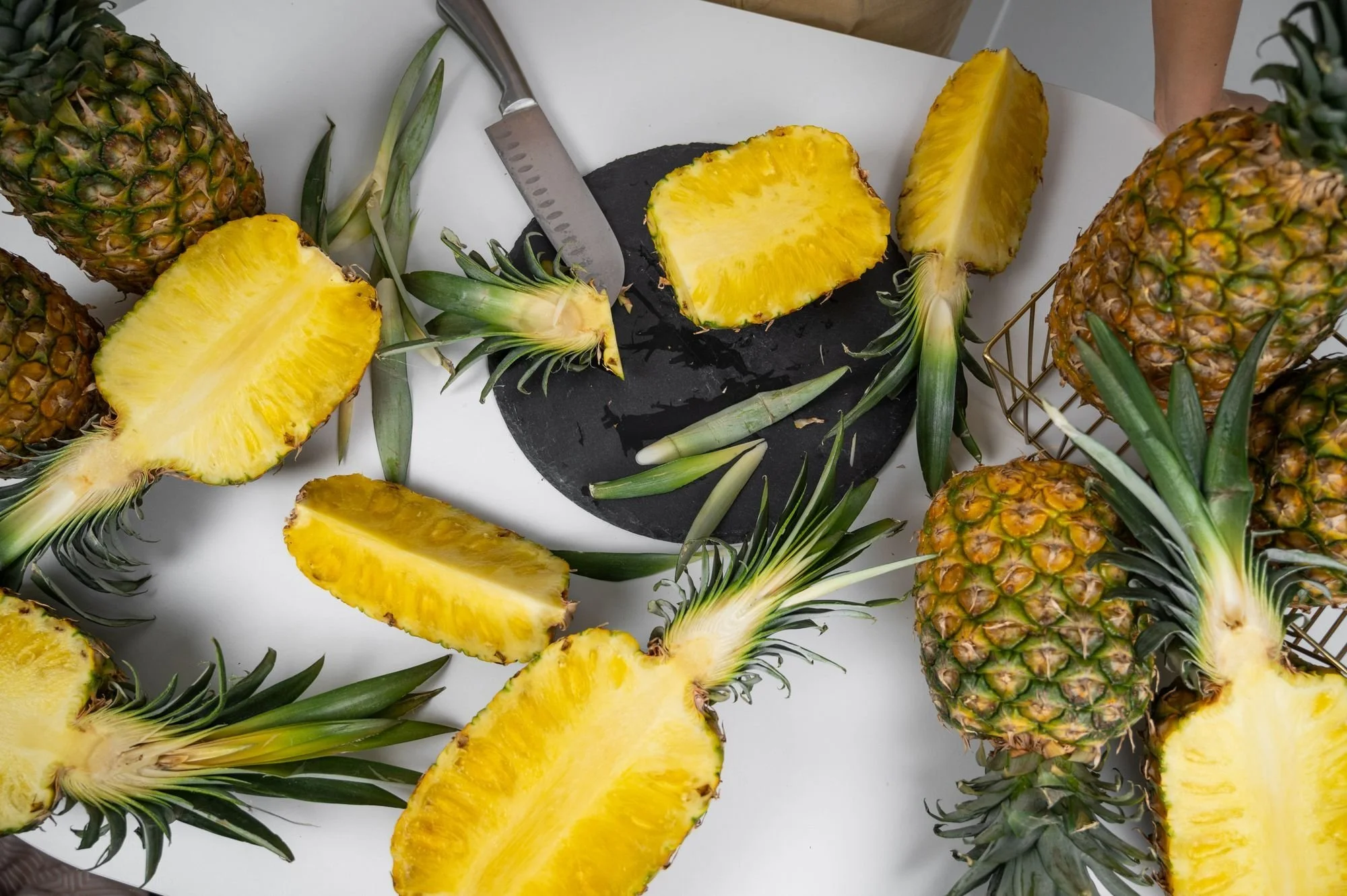
Food sources of digestive enzymes include avocados, sauerkraut, miso, kiwi, ginger, pineapples, papayas, mangoes, raw honey, apple cider vinegar, and bananas.
How much do you need?
If you take digestive enzymes as a dietary supplement, it is best to choose a full-spectrum blend that can be used for general digestive support. Choose one that has a good variety of enzymes.
Can You Take Probiotics and Digestive Enzymes At The Same Time?
Yes, you can take them together. Probiotics should be taken after a meal or between meals. Digestive enzymes should be taken before a meal or with the first bite of a meal.
LaVera J. Forbes, PhD, MS, CHN, is the founder of Dr. LaVera’s Healthy Aging, LLC. Find free healthy aging resources at drlavera.com.
© 2026 Dr. LaVera’s Healthy Aging, LLC. All rights reserved.