
Over 61% of Americans suffer from digestive issues every day. Many people use dangerous over-the-counter or pharmaceutical drugs that silently wreak havoc on other parts of their bodies, such as the liver or kidneys. Probiotics are a much easier, natural, and safer solution to improving your digestive system.
If you suffer from irritable bowel syndrome, chronic constipation, bloating, bacterial overgrowth, or inflammation in the gut, this blog is for you. Even if you already have a healthy gastrointestinal system and want to maintain it, read on.
What are probiotics?
We all have bacteria in our gut. Probiotics are strains of good bacteria that are used to replenish the bacteria in your gut with live microorganisms. This is important for healthy gastrointestinal health. Probiotics travel through your intestines and interact with the bacteria already in your gut, as well as with immune cells and existing nutrients, to protect the integrity of the gut. You may have seen the words Bifidobacterium and Lactobacillus in yogurt. These are two common types of probiotics.
Benefits of probiotics
There are many benefits of probiotics, and many people can get relief they didn’t know was possible. Some of these benefits include an improved immune system, improved digestion, increased energy, healthy skin, heal leaky gut syndrome, heal or reduce the symptoms of irritable or inflammatory bowel disease, and irritable bowel syndrome, prevent parasitic infections, and replenishing the microflora that is diminished by age, stress, illness, or medications. Some studies have even suggested that probiotics may also improve high cholesterol by improving lipid profiles and weight management.
Probiotic Food and Drinks
Years ago, our grandparents and great-grandparents didn’t need probiotic supplementation because they ate fresh food from soil that was rich in nutrients. In addition, most of their food was fermented to keep it from spoiling. Our food sources today have minimal, if any, probiotics, and the American diet is so deplorable that it contributes to digestive issues. In fact, many foods contain antibiotics, whose job is to kill the few good bacteria people do have. For this reason alone, it is important that we add probiotics to our diet.

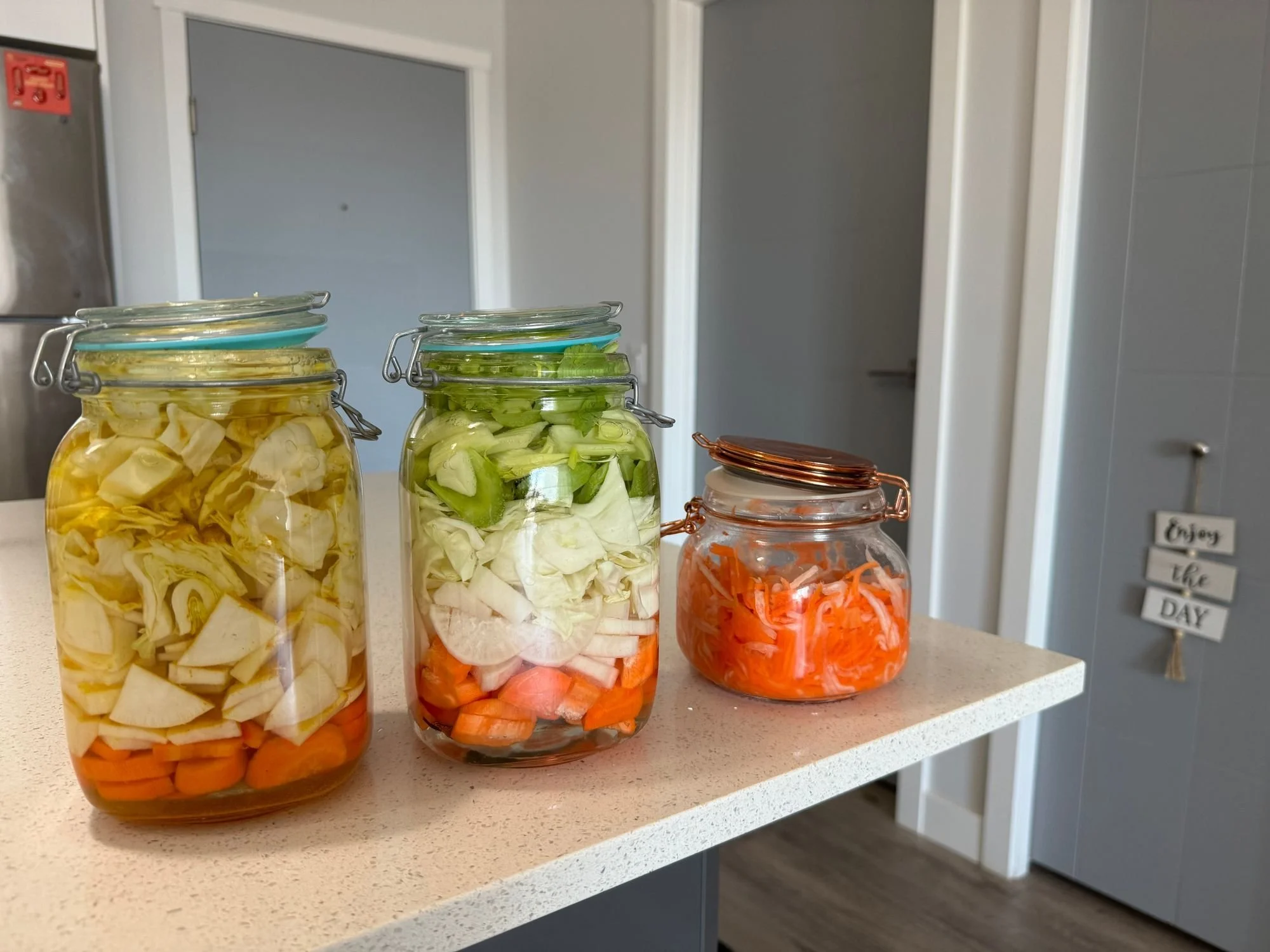
There are many ways to easily add probiotics into the diet. These include fermented foods such as, sauerkraut, kefir, coconut kefir, yogurt (best if grass fed and unpasteurized), goat and sheep cheese (only if raw and unpasteurized), apple cider vinegar, tempeh, miso, kimchi, unpasteurized raw milk, buttermilk (only with live cultures), brine cured olives (organic without the preservative sodium benzoate), natto, and the probiotic drink called kombucha.
Probiotic Supplements
In addition to getting probiotics from food and drinks, probiotics also come in the form of capsules, pills, powders, and liquids. Not everyone needs probiotic supplements. Many people can get what they need just by adding probiotic foods to their diet.
It is a common misconception that probiotic supplements should be taken every day like other supplements. It is important to check with your health care provider for the correct dosage for the optimal balance of bacteria for the digestive issue you are treating. This may or may not mean daily supplementation. For example, in a 2016 study, a small amount of probiotic for a short amount of time was all that was necessary to treat irritable bowel syndrome.
Now that you know about probiotics, their benefits, and their importance to your gastrointestinal health, you may be able to start feeling better faster than you thought possible. Good luck on your journey to optimal health.
LaVera J. Forbes, PhD, MS, CHN, is the founder of Dr. LaVera’s Healthy Aging, LLC. Find free healthy aging resources at drlavera.com.
© 2026 Dr. LaVera’s Healthy Aging, LLC. All rights reserved.