
Healthy blood sugar after 50 starts with small, steady changes
No miracle cures, no extreme diets. Just practical, evidence-based habits in food, movement, sleep, stress and connection that can help you take charge of insulin resistance and prediabetes, one day at a time.
What is lifestyle medicine?
The American College of Lifestyle Medicine (ACLM) describes lifestyle medicine as “an evidence-based medical specialty that applies therapeutic lifestyle interventions to treat, reverse, and prevent chronic conditions like cardiovascular diseases, type 2 diabetes, and obesity.”
In plain words: the everyday choices you make about what you eat, how you move, how you sleep, how you handle stress, who you spend time with, and what you put into your body add up. Over time, they matter. A lot.
That matters, because blood sugar trouble is common and often quiet. Researchers estimate that nearly 4 in 10 US adults have prediabetes, and about 8 in 10 of them don’t know it. The encouraging part is that change works. In the NIH-funded Diabetes Prevention Program, a lifestyle program focused on eating and activity lowered the chance of developing type 2 diabetes by 58 percent, and by 71 percent for people 60 and older.
My story, and how I use lifestyle medicine
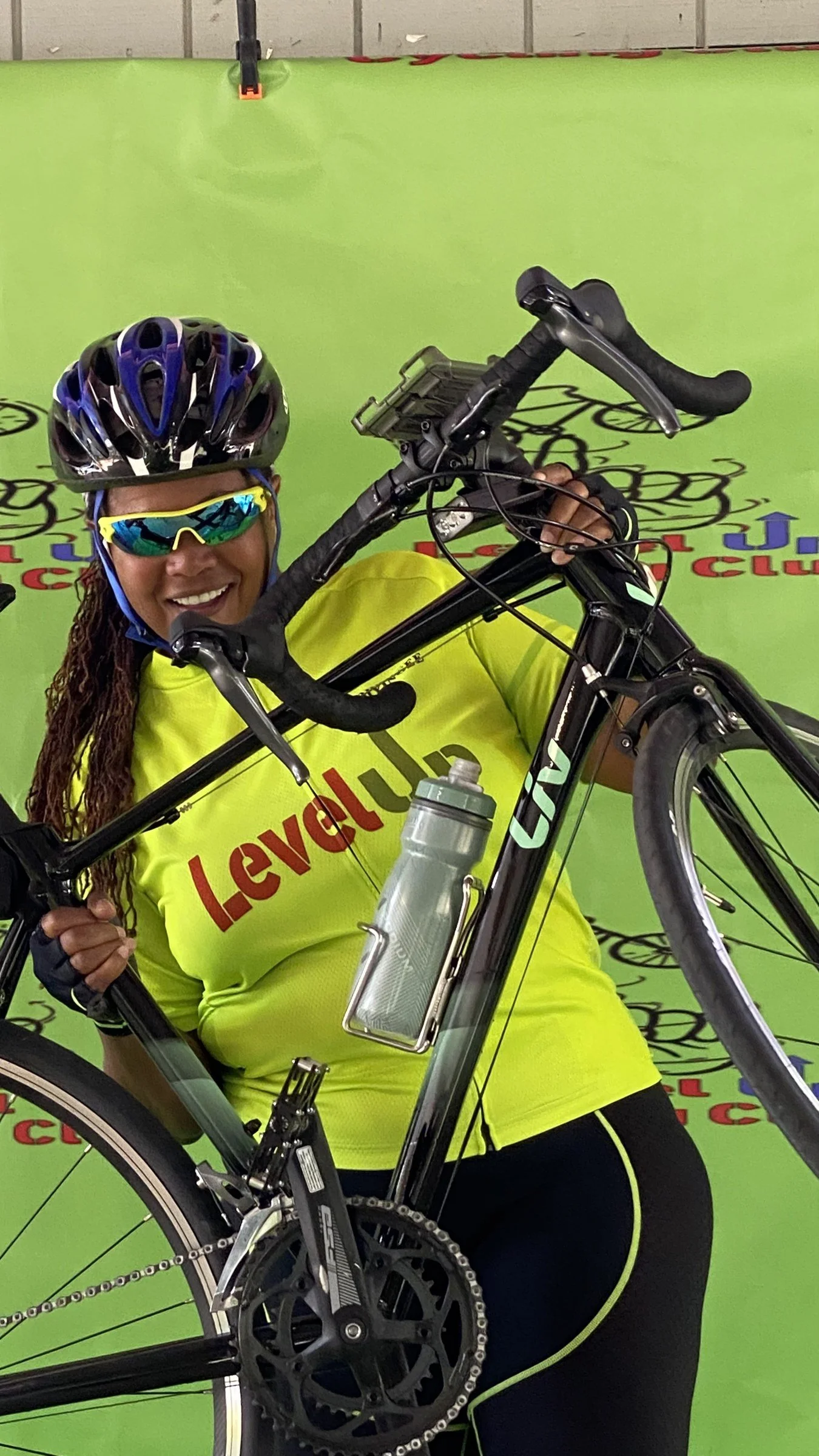
I’m LaVera Forbes, PhD, MS, CHN. I have a PhD in Mind-Body Medicine, I hold an MS in Counseling, and I’m a certified holistic nutritionist. I learned this work the personal way. I exercised regularly and thought I was eating healthy. I still had insulin resistance that nobody caught. My doctors were watching my A1C, not my fasting insulin. Once I understood what was going on, I made targeted changes to my nutrition, my sleep, and my daily habits. Over time, all of my labs came back into the normal range. That’s my experience, not a promise, and everyone’s body is different. But it taught me how much small, steady changes can do.
I’m a health educator, not a medical doctor. I consciously chose to study natural medicine because it has worked for thousands of years and it still works. I don’t diagnose or treat, and I don’t replace your physician. My role is to help you understand the “why” behind your numbers and help you build habits you can actually keep, alongside your physician’s care. If you’ve been told your blood sugar is “a little high,” or you want to know more about your own markers, bring your questions to your doctor. You might ask whether a fasting insulin test makes sense for you.
The six pillars of lifestyle medicine
ACLM organizes lifestyle medicine around six connected pillars. You don’t have to master all six at once. Pick one, start small and build from there.
1. Optimal Nutrition
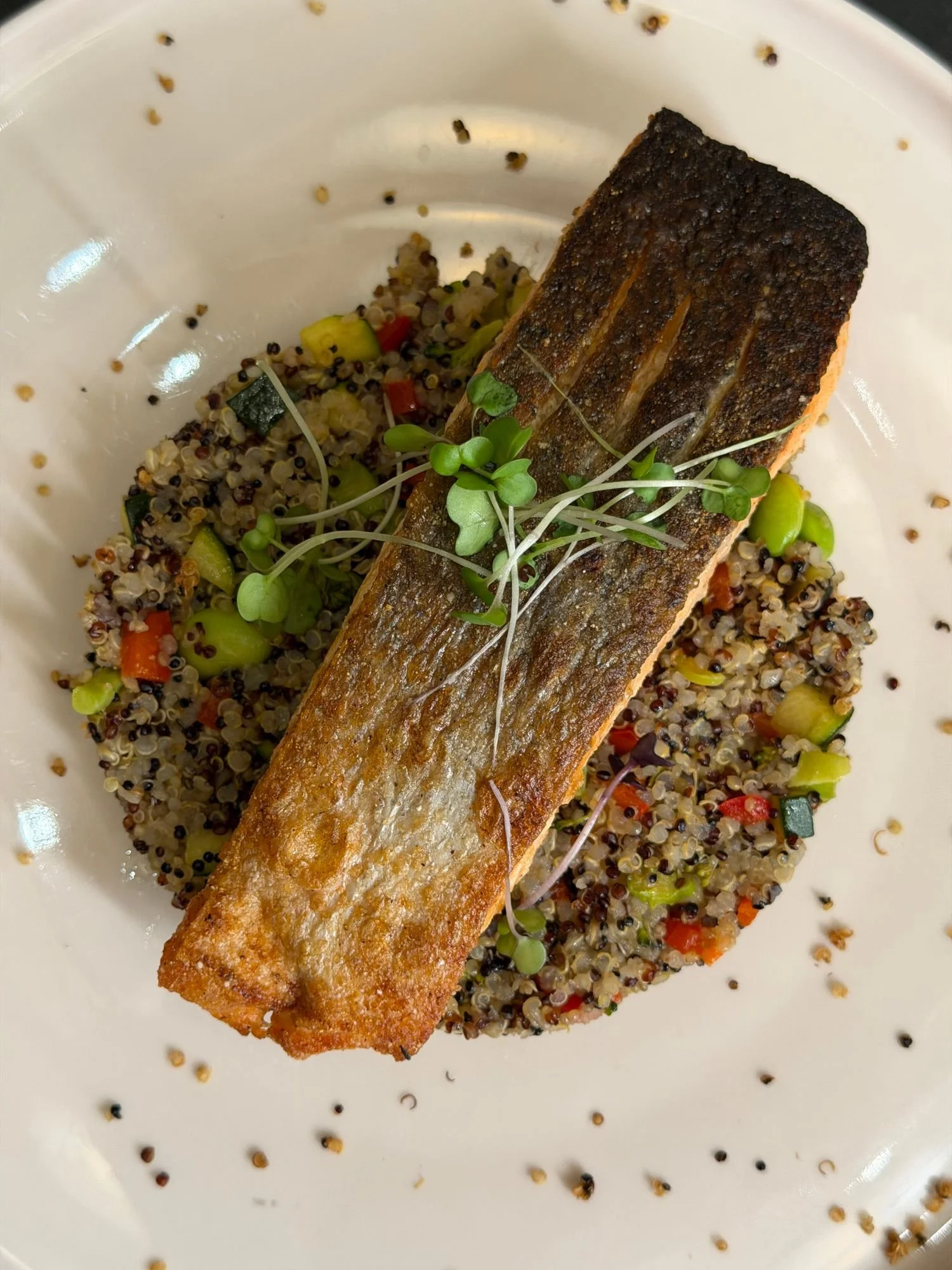
Researchers recommend an eating pattern based mostly on a variety of minimally processed vegetables, fruits, whole grains, protein, healthy fats, legumes, nuts and seeds. For blood sugar, this isn’t about perfection or giving up every food you love. It’s about leaning your plate toward whole, fiber-rich foods most of the time, so your body has an easier job.
Start here: At one meal a day, make half your plate vegetables, and add protein and fat.
2. Physical Activity
Your muscles are some of your best partners in using blood sugar, and keeping them strong matters even more as we age. Aim for at least 150 minutes a week of moderate aerobic activity, plus muscle-strengthening activity. If that sounds like a lot right now, that’s okay. Every bit of movement counts.
Start here: Take a 15-minute walk after your largest meal of the day. Even 10 minutes helps.

3. Restorative Sleep
Sleep is when your body rests and repairs, and it was one of the pieces I had to fix in my own life. Try to get 7 to 9 hours of quality sleep each night. Good sleep makes everything else easier, including steady energy and better food choices the next day.
Start here: Pick a regular bedtime and keep it, even on weekends, for one week.

4. Stress Management
Stress isn’t just “in your head.” Chronic stress can worsen conditions like heart disease, depression and insulin resistance. My background in mind-body medicine has shown me that calming the nervous system is real; it is not hard to do, and it is required for a healthy body. It is not a luxury.
Start here: Twice a day, take five slow breaths, breathing out a little longer than you breathe in.

5. Connectedness
People need people. Strong social connections and a sense of purpose affect physical, mental and emotional health. Change is also easier, and more fun, when someone is walking beside you, sometimes literally.
Start here: Invite a friend or family member for a weekly walk or a shared healthy meal.

6. Risky Substance Avoidance
Alcohol, tobacco and other drugs raise the risk of chronic disease and can make existing conditions worse. After 50, our bodies often handle alcohol differently than they used to, and it can affect sleep and food choices too. Cutting back can make a difference.
Start here: Choose two alcohol-free days this week. If you smoke, ask your doctor about support to quit.
Where I source practitioner-grade supplements
When a supplement makes sense, quality matters. These are the companies where I hold practitioner accounts. I think of supplements as helpers: they support the six pillars, but they don’t replace them.









Please talk with your doctor before starting any supplement, especially if you take medication for diabetes or blood pressure. Some supplements can affect blood sugar or blood pressure, or interact with your medications.
Logos are trademarks of their respective owners. Listing does not imply endorsement by these companies.
Ready to take your next small step?
You don’t have to change everything at once. Start with one pillar, one habit, one week, and let the small wins add up.
This content is for educational purposes and isn’t medical advice. Talk with your healthcare provider before changing your diet, exercise, supplements, or medications.