
Some people don’t know what digestive enzymes are or how they might benefit from them. I will tell you what they are, their benefits, and whether you need them.
When people complain about symptoms like heartburn, bloating, constipation, diarrhea, pain, nausea, or vomiting, they are usually given an array of over-the-counter or prescription drugs, like antacids, laxatives, H2 blockers, or Proton Pump Inhibitors. Many of these drugs come with very serious side effects, especially with long-term use.
To give you an idea of how overused (and sometimes unnecessary) some of these drugs can be, here is a list of drugs for common digestive issues.
Digestive Condition
Number of Drugs
Indigestion
245
Inflammatory Bowel Disease
166
Nausea and vomiting
162
Constipation
137
Diarrhea
99
Gas
42
Your specific condition might require something stronger than digestive enzymes; however, if you are having minor symptoms, you might talk to your doctor about trying digestive enzymes as a first course of action.
Digestive Enzymes
Unlike probiotics, digestive enzymes are not living organisms. They are tiny non-living protein molecules. Enzymes are produced in different parts of the body; however, some people don’t make enough digestive enzymes, preventing their food from being digested properly. The role of these enzymes is to break down nutrients from your food into smaller particles so they can be better digested and absorbed. By breaking down molecules such as fats, proteins, and carbs into smaller molecules, they can help prevent digestive disorders like lactose intolerance and leaky gut syndrome. When working properly, the result is you absorbing more nutrients from your food, improving its ability to create energy, help the body grow, and perform its necessary functions.
Much of our food has complex compounds that are too big to pass through our system. Digestive enzymes are the perfect solution since they will break down these compounds so the body can use them effectively.
Benefits
As mentioned above, the most obvious benefit is digestive enzymes’ ability to break down nutrients into tiny particles that your body can digest and absorb. Digestive enzymes can benefit people with diabetes, gallbladder removal, chronic pancreatitis, Crohn’s disease, and autoimmune diseases since these conditions can inhibit the production of digestive enzymes. In addition to age and certain medical conditions, some medical procedures can also affect the production of digestive enzymes.
Where to find digestive enzymes
Your body produces its own digestive enzymes in your salivary glands, stomach, small intestine, and pancreas. Digestive enzymes produced by the body are reduced as we age, so supplementing them with food or dietary supplements may be a good option if you are older and not yet having digestive issues.
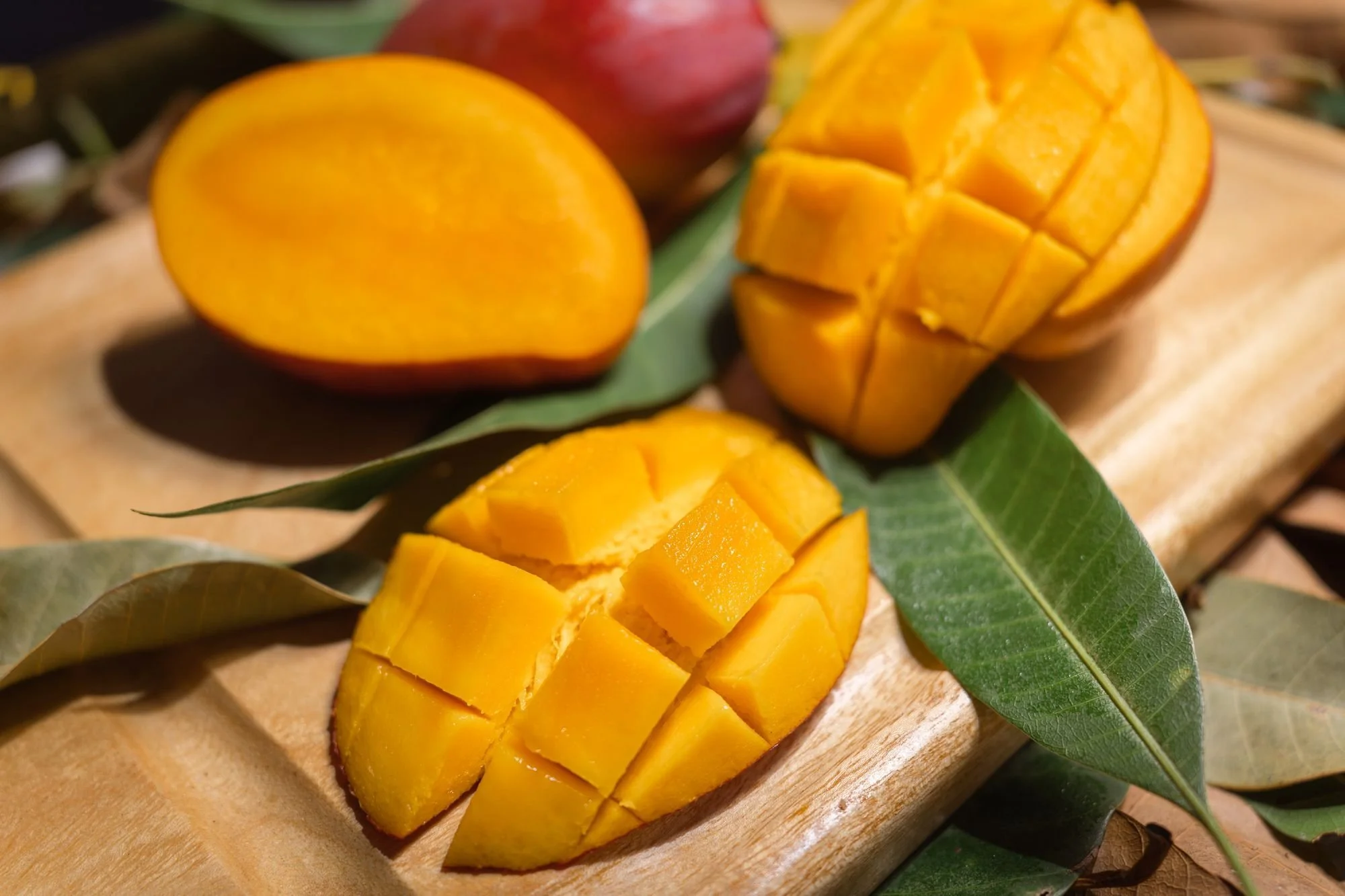
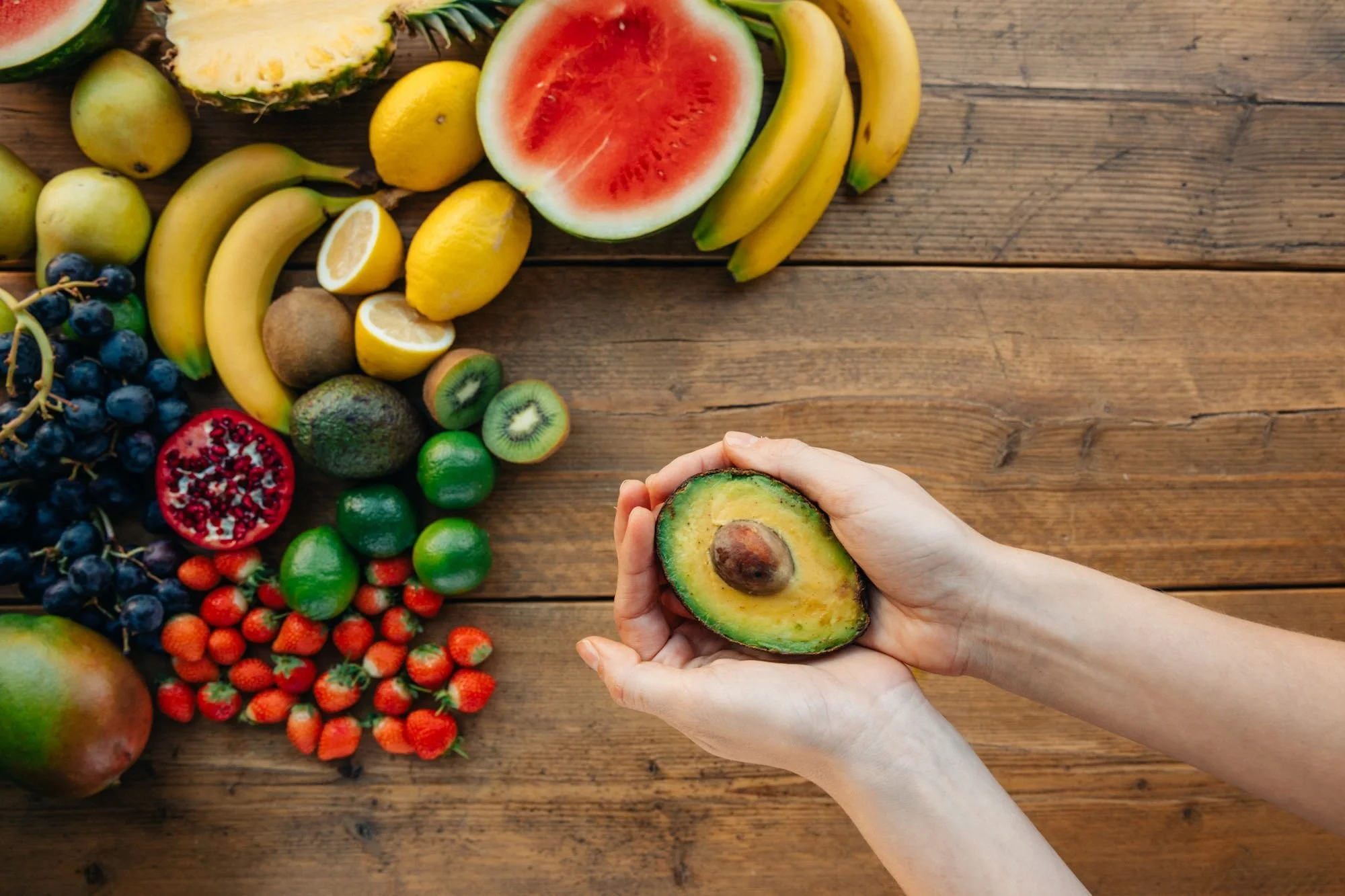
Food sources of digestive enzymes include avocados, sauerkraut, miso, kiwi, ginger, pineapples, papayas, mangoes, raw honey, apple cider vinegar, and bananas.
Do you need digestive enzymes?
Digestive enzymes are good for most Americans who eat moderate amounts of cooked or processed food because these foods do not have their own enzymes. They are also helpful for anyone who wants to improve digestion and absorb as many nutrients as possible. Digestive enzymes are especially helpful for seniors who do not produce as many enzymes as they age, people with digestive issues, or those who have a problem breaking down foods such as dairy, wheat, beans, or foods high in fiber. Digestive enzymes can also be taken by children, but in half the adult dose for children under 12 years old.

LaVera J. Forbes, PhD, MS, CHN, is the founder of Dr. LaVera’s Healthy Aging, LLC. Find free healthy aging resources at drlavera.com.
© 2026 Dr. LaVera’s Healthy Aging, LLC. All rights reserved.