
Holistic nutrition for steady blood sugar after 50
Real food, real life, and small, steady changes. No miracle cures, no fads, and no extreme diets. Just practical ways to eat and live healthy that can help you take charge of insulin resistance and prediabetes, one lifestyle change at a time.
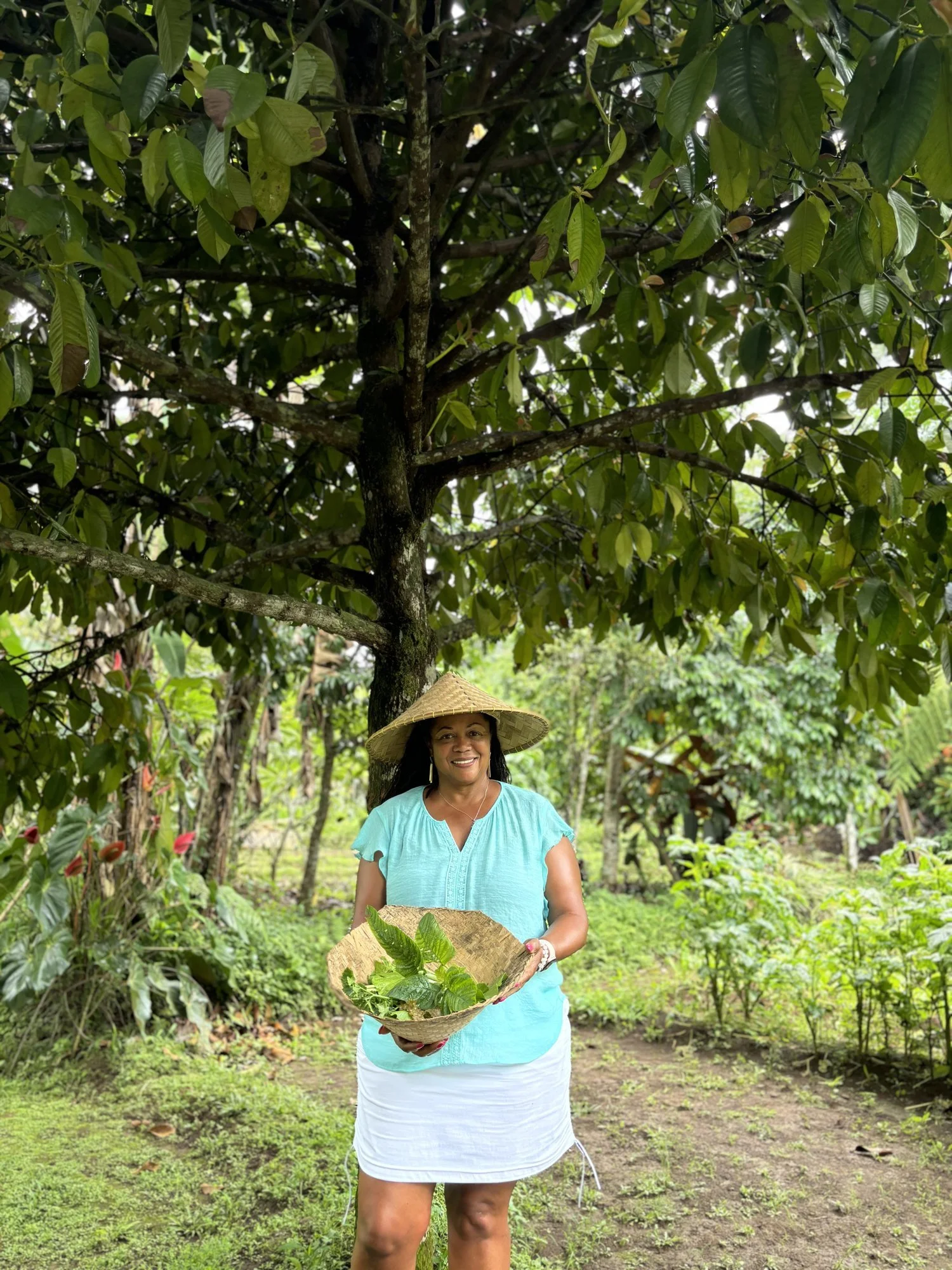
Bali organic gardens
What does holistic nutrition mean?
To me, holistic nutrition comes down to three things.
Whole foods. I lean on foods that look close to the way nature made them: vegetables, fruit, beans, whole grains, nuts, seeds, fish, eggs, meat, and other good proteins. These foods pack fiber, protein, and nutrients into one package, making your body's job easier.
The whole person. What you eat is tied to how you sleep, how stressed you feel, how much you move, your culture, your budget, and the people at your table. A plan that ignores your real life won't last. A plan built around it can.
Food works alongside your physician's care. Good nutrition doesn't replace your doctor, your medications, or your lab work. It works with them. When the people I work with eat in ways that support steady blood sugar, they often have better conversations with their doctors because they understand the "why" behind their numbers.
Why this matters to me
I came to this work through my own health challenges. I exercised regularly and thought I was eating clean. I still had insulin resistance that nobody caught. My doctors were watching my A1C, not my fasting insulin. Once I understood what was going on, I made targeted changes to my nutrition, sleep, mindset, and daily habits, and over time, all my labs came back into the normal range. That's just my experience. It’s not a promise, and everybody is different. But it showed me how much the right food, eaten in the right way, along with other healthy habits, can do.
I'm a health educator, not a medical doctor. I don't diagnose or treat, and I don't prescribe. My role is to help you understand your options and build healthy eating habits you can actually keep.
Eating for steady blood sugar after 50
You don't need a complicated diet plan. These six principles are the foundation I come back to again and again. Pick one, try it for a week, and build from there.
1. Build every meal around protein and fiber
Protein and fiber slow down how quickly your meal turns into sugar in your blood. Eating carbs with protein, fat, or fiber slows how quickly your blood sugar rises. Protein also helps protect your muscles, which matters much more after 50.
Try this: Look at your breakfast. If it's mostly toast, cereal, or a muffin, add an egg, Greek yogurt, or a handful of nuts, plus some fruit or vegetables for fiber.
2. Eat your vegetables first
The order you eat can make a difference. In small studies, eating vegetables and protein before carbohydrates lowered after-meal glucose compared with eating the carbohydrates first (Shukla et al., Diabetes Care, 2015; Touhamy et al., Weill Cornell Medicine, Diabetes Care, 2025).
Try this: At dinner, eat your salad or cooked vegetables first, then your protein, and save the bread, rice, or potatoes for last.
3. Choose minimally processed whole foods most of the time
Researchers list less-processed foods and less added sugar as common to all healthy eating plans. You don't have to be perfect. Just tip the balance toward foods with short ingredient lists, or no label at all.
Try this: Swap one packaged snack a day for a whole-food option, like an apple with peanut butter or a few carrot sticks with hummus.
4. Make smart carb choices
Carbohydrates aren't the enemy, but the type and the amount matter. Fill half your plate with non-starchy vegetables, a quarter with lean protein, and a quarter with quality carbs like beans, whole grains, starchy vegetables, or fruit.
Try this: Use a 9-inch plate for one meal a day this week, and keep your bread, rice, pasta, or potatoes to about a quarter of it.
5. Drink between meals, not with them
What you drink counts, too. Sugary drinks raise blood sugar quickly. I recommend not drinking anything with your meals so your digestive juices can do their job. If you must drink during your meals, choose water or a low-calorie drink such as unsweetened tea. It's easy to forget to drink during a busy day, so make it a priority.
Try this: Keep a glass or bottle of water where you can see it, and sip it between meals instead of reaching for juice, soda, or sweet tea.
6. Slow down and eat mindfully
This is where the mind-body connection comes in. When we eat in a rush, in the car or in front of a screen, it's easy to miss the signals that we're full and satisfied. Slowing down helps you notice how different foods make you feel, and it turns meals back into something to enjoy.
Try this: For one meal a day, put your fork down between bites, and check in halfway through: "Am I still hungry, or just eating?"
Common questions about holistic nutrition and blood sugar
Do I have to give up carbs?
No. The goal is to choose carbs wisely, not to fear them. Beans, lentils, vegetables, and fruit all bring fiber and nutrients. What helps most is the type of carb, the portion, and what you eat it with. Pair carbs with protein and vegetables, and keep them to about a quarter of your plate.
Is fruit okay with prediabetes?
Yes, for most people. If you're living with prediabetes or diabetes, you can eat fruit, but I strongly recommend choosing low-glycemic options, such as berries. It brings vitamins, minerals, water, and fiber. Fruit does contain carbs, so portion size matters. Whole fruit is a better choice than juice, which often has too much concentrated sugar. Pairing it with a little protein or healthy fat, like an apple with peanut butter, can slow digestion and reduce the blood sugar spike.
Should I try fasting?
Some people find that a shorter eating window or fewer late-night snacks helps them. Others feel worse. It isn't right for everyone, and it isn't required to make progress.
An important safety note: If you take medication for diabetes, especially insulin or a sulfonylurea, please don't try fasting or skip meals without talking to your doctor first. Research shows that skipping or delaying meals can lead to low blood sugar in people who take insulin or certain diabetes medications, and that can be dangerous. Never stop or change a prescribed medication on your own.
Do I need supplements?
Not necessarily. I'm a "food and habits first" person, and there's no miracle pill. Supplements can support good food, movement, and sleep, but they can't replace them. When a supplement does make sense, quality matters, and I source therapeutic-grade products through my practitioner accounts. You can see those companies on my Lifestyle Medicine page. Please know, I am not here to sell you supplements. My passion is educating people about natural health and wellness.
Please talk with your doctor before starting any supplement, especially if you take medication for diabetes or blood pressure. Some supplements can affect blood sugar or blood pressure, or interact with your medications.
Is a holistic nutritionist the same as a dietitian or a doctor?
No. I'm a certified holistic nutritionist and health educator. I'm not a medical doctor or a registered dietitian, and I don't diagnose, treat, or prescribe. I don’t just look at what’s on your plate. I focus on the whole person, education, whole-food habits, lifestyle medicine, and the mind-body side of change, and I encourage everyone I work with to educate themselves and keep their physician in the loop.
Ready to take your next small step?
Start with one principle, one meal, one week. The small wins add up.
If you'd like to learn more, my blog articles go deeper on blood sugar, protein, sleep, and aging well, with sources for everything.
A free course is coming soon.
This content is for educational purposes and isn’t medical advice. Talk with your healthcare provider before changing your diet, exercise, supplements, or medications.